
Stock Market Corrections and Crash - Our Analysis to Help You See More Clearly
2024-08-09
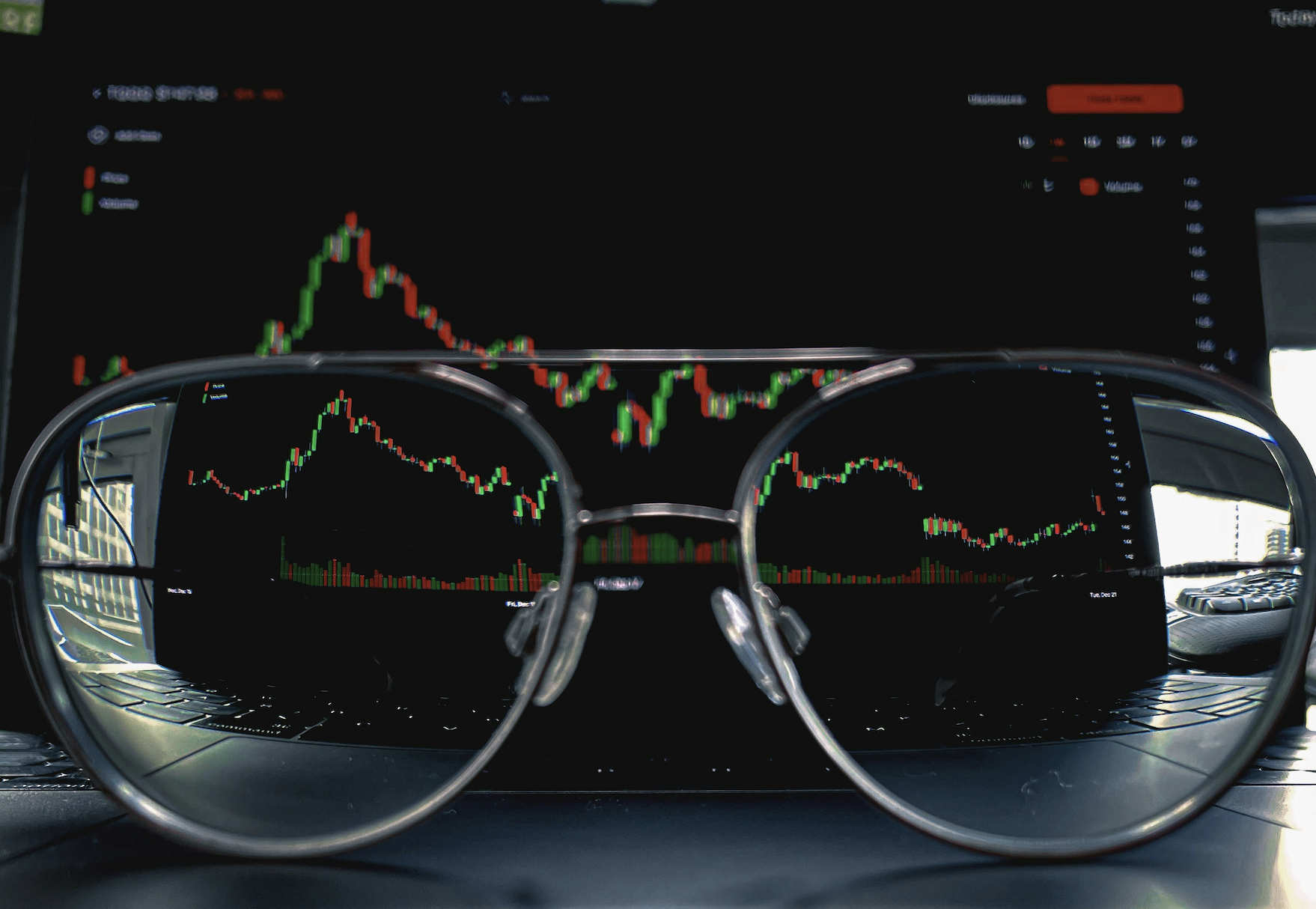
Global stock markets are reeling, screens are turning red, and the most nervous investors are already talking about a “Black Monday” or a “Black Tuesday.” The cause: a unilateral decision by US President Donald Trump to impose tariffs ranging from 10% to 49% on exports from more than 180 countries. This protectionist escalation is raising fears of a global slowdown, or even a recession. In Hong Kong, the Hang Seng index plunged more than 13% during Monday’s session. In New York, the S&P 500 has officially entered correction territory. Is it a stock market crash? Yes, because the term is already being applied to some markets. Is it the end of the world for investors? No. Provided they keep their cool and learn from past experiences. A feeling of Déjà Vu.
Financial history is punctuated by spectacular crashes.
• 1929: The infamous Black Thursday marked the beginning of the Great Depression. • 1987: The Dow Jones lost 22.6% in a single day. • 2000: The bursting of the tech bubble halved the Nasdaq index. • 2008: The bankruptcy of Lehman Brothers plunged the world into a major financial crisis. • 2020: The COVID-19 pandemic caused markets to plummet by more than 30% in a month… before a rapid recovery.
Each time, the scenario seemed apocalyptic. And each time, the markets eventually recovered. History shows that the stock market rewards patience more than panic.
How long does a recovery last?
According to Quentin Fottrel of Morningstar; “The market’s ability to recover lost ground depends on the severity of the economic context. The figures show that the S&P 500 SPX fell 18% in 2022, gained 26% in 2023, and then rose another 25% in 2024. Historical data shows that it sometimes takes a month (as in 2023), three months (in 2015 and 2016), six months (in 2009, 2010, 2011, 2018, and 2020), or, more generally, a year to ‘correct’ by at least 10%.” In the case of crashes, it can take longer. Even in the worst cases, like 2008, those who held firm saw their portfolios return to their initial level—and surpass it. What distinguishes winning investors is not their ability to predict the fall, but their determination to weather the storm.
The exit trap
Exiting the market during a crash can provide a sense of relief… temporarily. But missing the recovery is far more costly. Here’s a shocking statistic: if you missed the 10 best trading days over the past 20 years, your return would have been cut by more than half. And guess when those days often occur? Right after the worst. In 2009, for example, the US market surged 11% in a single day. Those who fled the markets out of fear missed out on that boost.
Tariffs like in 1930?
The parallel with the past is tempting. In 1930, President Hoover signed the Smoot-Hawley Tariff Act, imposing tariffs on more than 20,000 products. The intention was to protect the American economy, but the result was the opposite: a global trade war, a collapse in international trade, and a deepening economic crisis. Today, the global economy is much more interconnected, but also more resilient. Central banks are quicker to intervene, and governments are better equipped to stimulate the economy. Will the 2025 tariffs trigger a global recession? Perhaps. But we now know that a coordinated response from authorities can make all the difference. This suggests that rebounds will likely be faster.
5 tips to survive—and even profit
- Don’t touch your long-term investments. Your RRSP or TFSA investments are for retirement, not for next week. Selling them now will turn a temporary loss into a permanent one.
- Rebalance strategically. If your funds or stocks have fallen and your target allocation is unbalanced, consider reinvesting in the declining categories. It’s counterintuitive, but historically it pays off. Dividend funds and ETFs are usually less affected, and holding a good proportion of them is recommended.
- Keep up your automatic contributions. Investing regularly (even during a crash) allows you to buy more units at lower prices. It’s like Black Friday sales.
- Don’t look at your account statements and financial news too often. Headlines are meant to captivate, not guide your decisions. Too much exposure to financial news increases anxiety… and leads to bad decisions.
- Talk to your financial planner. A good professional isn’t just there to build a portfolio; they’re there to prevent you from making mistakes when emotions take over.
And what if you had capital to invest?
Great fortunes have often been built during crises. Warren Buffett likes to say, “Be fearful when others are greedy, and greedy when others are fearful.” If you have cash on hand, now might be a good time to buy quality stocks at a discount. But do it methodically. Avoid going all in, and opt for gradual investment (for example, in five or six monthly installments). And please, for the more daring among you, avoid borrowing to invest.
In conclusion
The 2025 stock market crash is a test for investors. But it’s also an opportunity to apply proven investment principles. History teaches us that markets correct, then rebound. The important thing is not to let fear rule you. Emotions are contagious. The prevailing pessimism can make you want to run away. But if you have a solid plan, clear objectives, and the discipline to stick to them, you will not only be able to survive market corrections and even a crash, but also emerge stronger.
Further reading: What 150 years of stock market crashes have taught us
• This article was prepared by Fabien Major, Wealth Advisor for iA Gestion Privée de Patrimoine inc. and does not necessarily reflect the opinion of iA Private Wealth Inc. The information contained in this text comes from sources believed to be reliable, but we cannot guarantee its accuracy or reliability. The opinions expressed are based on analysis and interpretation dating back to the date of publication and are subject to change without notice. Furthermore, they constitute neither an offer nor a solicitation to purchase or sell the securities mentioned. The information contained herein may not apply to all types of investors. iA Private Wealth Inc. is a member of the Canadian Investor Protection Fund and the Investment Regulatory Organization of Canada. iA Private Wealth is a trademark and another name under which iA Private Wealth inc. carries out its activities