
Gold at $5,500 an ounce: a mere bubble or a global warning sign?
2026-01-30
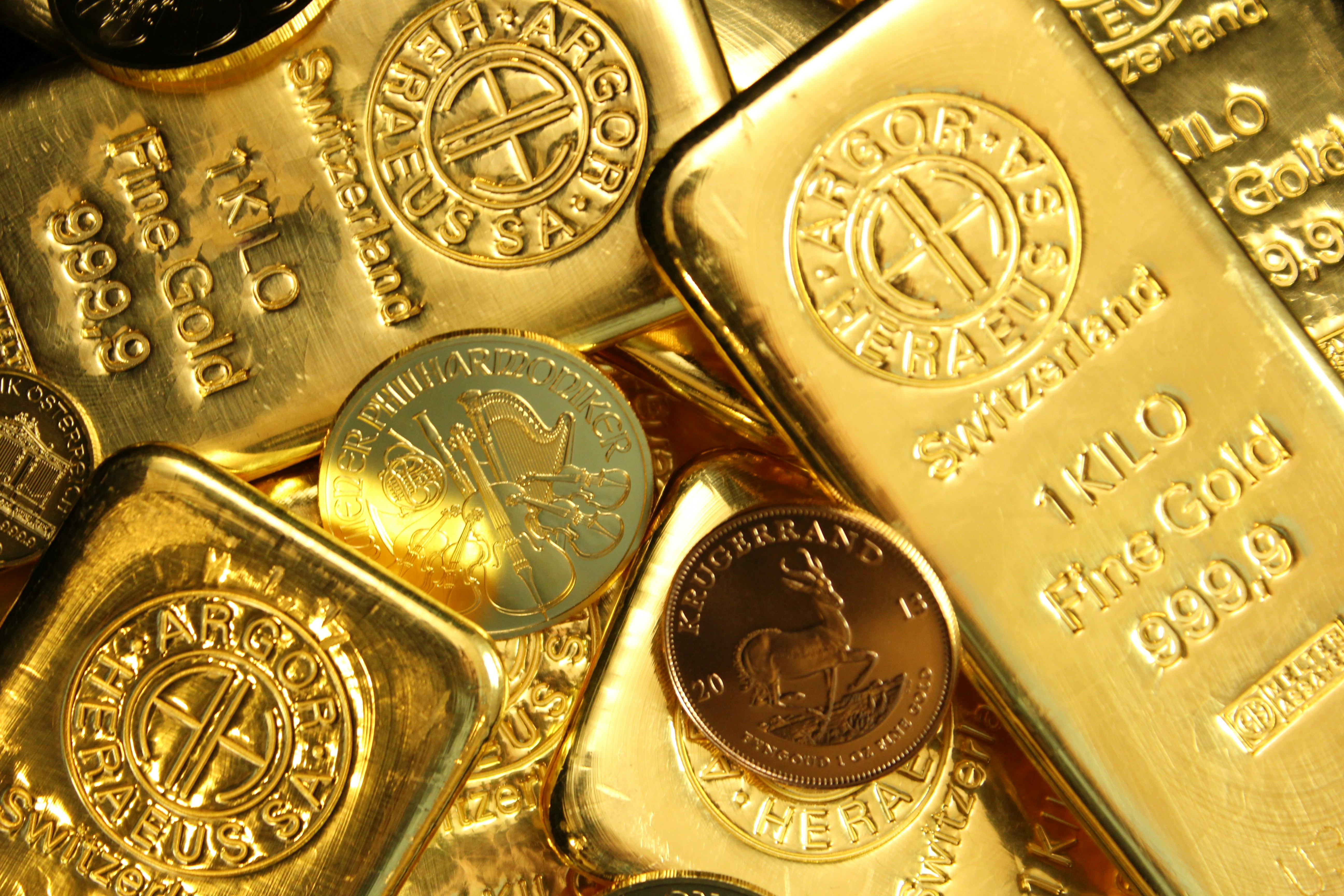
When the price of gold momentarily breaks through US$5,500 an ounce, it’s not just a market anomaly. It’s a message. A stark message, sent by investors worldwide, all saying the same thing: something has cracked in the global financial order.
Contrary to popular belief, gold isn’t rising because it “yields” more. It’s rising because everything else inspires less confidence. For the past two years, traditional benchmarks have been shaken. Bonds, once the ultimate safe haven, have lost their protective role. Public deficits are exploding. US debt is exceeding levels once considered unthinkable. And above all, the credibility of major fiat currencies is being subtly but persistently challenged. The spectacular rise in the price of gold is based on four fundamental drivers.
First, central banks. China, several emerging countries, and even some developed economies are buying gold at a record pace. Their objective is clear: to reduce their dependence on the US dollar. This movement is neither ideological nor temporary; it is strategic.
Second, the loss of confidence in monetary policies. After years of experimentation—zero interest rates, quantitative easing, massive interventions—markets understand that a return to monetary “normality” is unlikely. Gold then becomes insurance against monetary erosion. Third, the geopolitical context. Proliferation of regional conflicts, fragmentation of global trade, tensions between major powers. In this more unstable world, gold remains a neutral asset, without collateral or political promises.
Finally, there is market psychology. Once historical highs are surpassed, the flows become self-sustaining. Institutional investors, funds, and even some states follow the trend. Major financial institutions like Goldman Sachs, Bank of America, and J.P. Morgan have even raised their targets for 2026, with some even suggesting higher levels.
Does this mean we should “put everything in gold”? Of course not.
But ignoring this signal would be a mistake. Gold isn’t a fad. It’s a barometer of confidence. And in 2026, this barometer clearly indicates that investors are primarily focused on preservation, rather than performance. At Team Major, our role isn’t to chase records, but to help our clients understand what the markets are trying to tell us… and to position their portfolios accordingly, with clarity, discipline, and a long-term perspective.